15 items

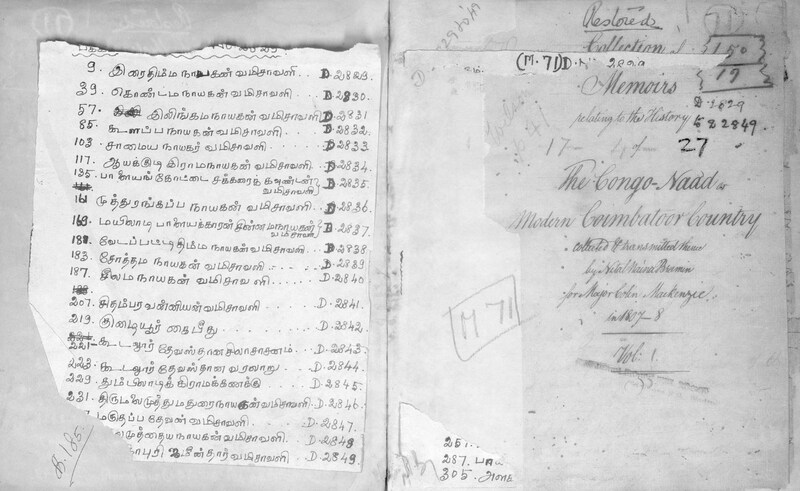
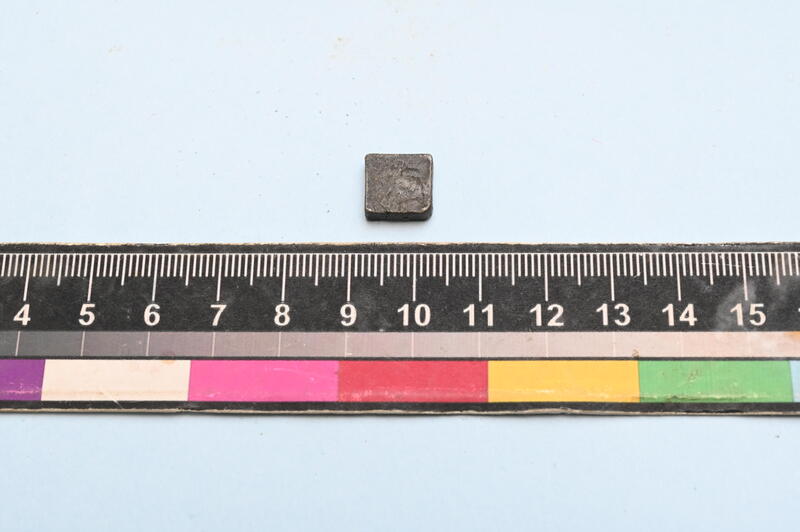

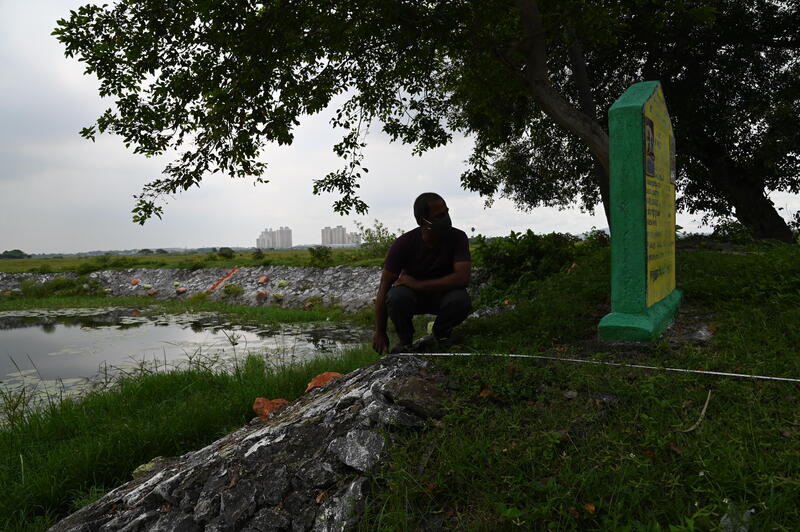
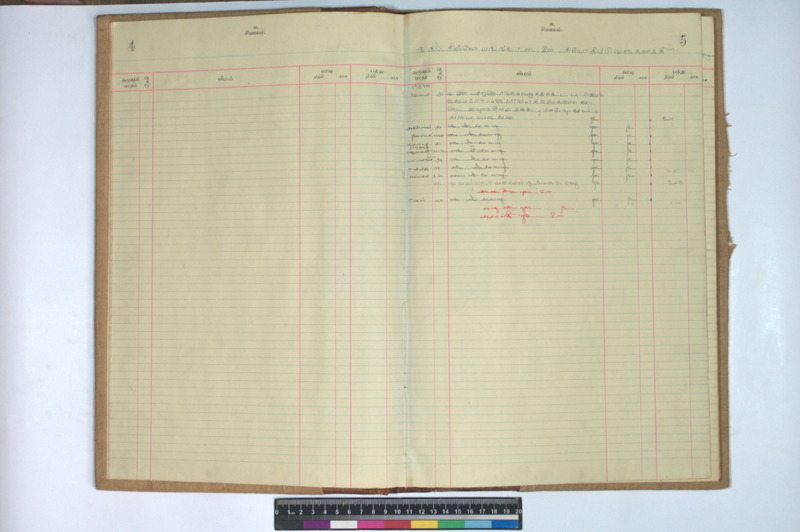
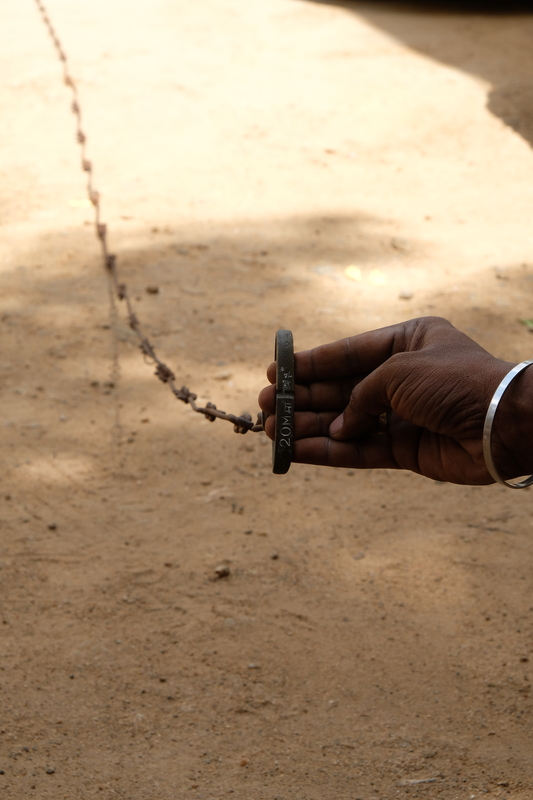
This is collection of images from each of public history field work we conducted. This primarily involved visiting places mentioned in inscription, conducting actualistic studies like remeasuring a land or canal mentioned in an inscription, and engaging in conversations with local people.
Explore Collection
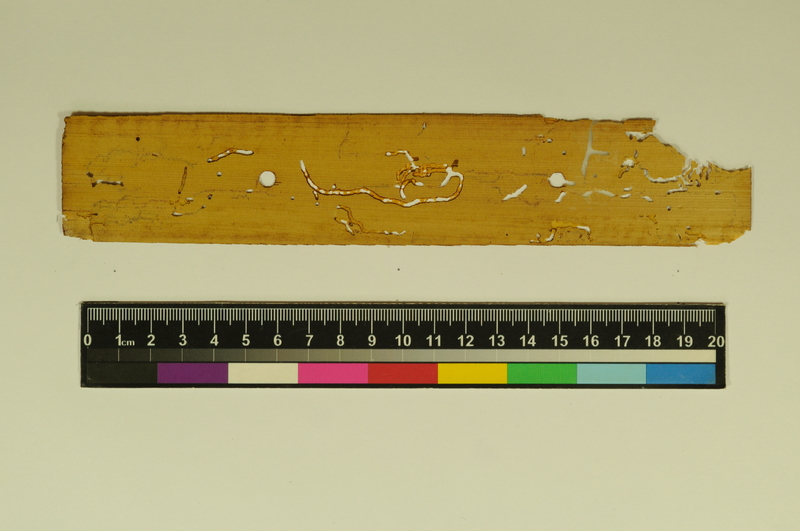
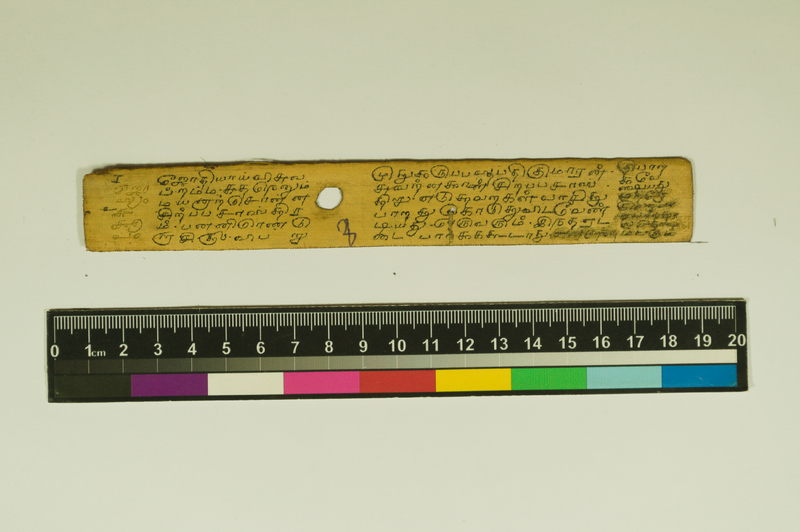
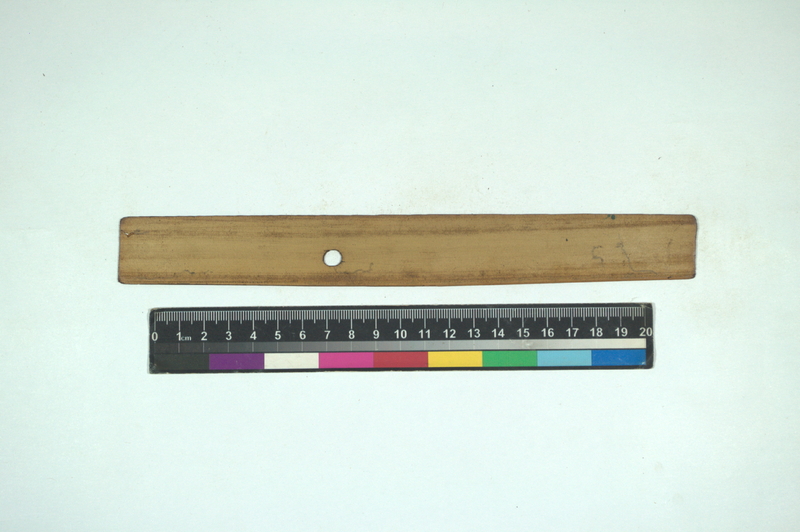
Astrological texts, as devices for imagining futures and predicting outcomes for people, draw on various mathematical artefacts and techniques. These texts need to be studied in detail to understand the mathematical practices embedded in the practice of astrology and their consequences.
Explore Collection
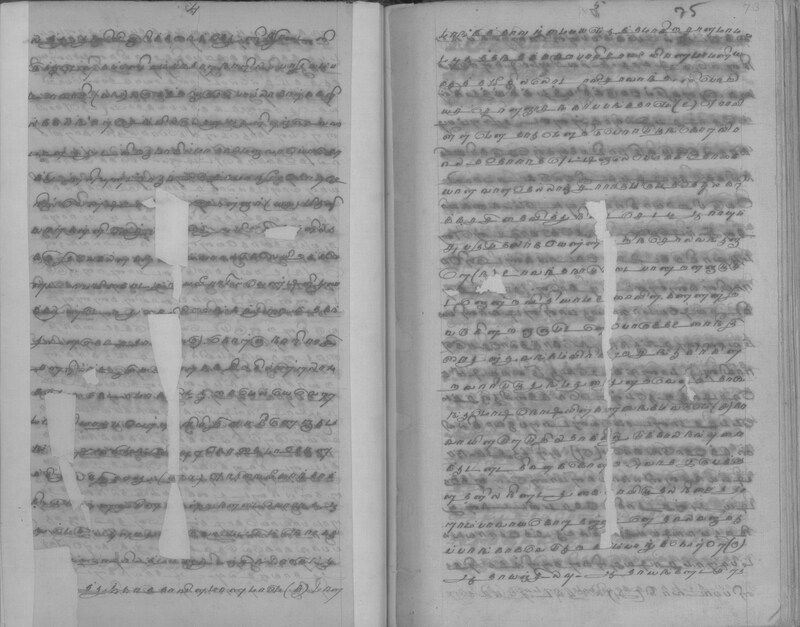
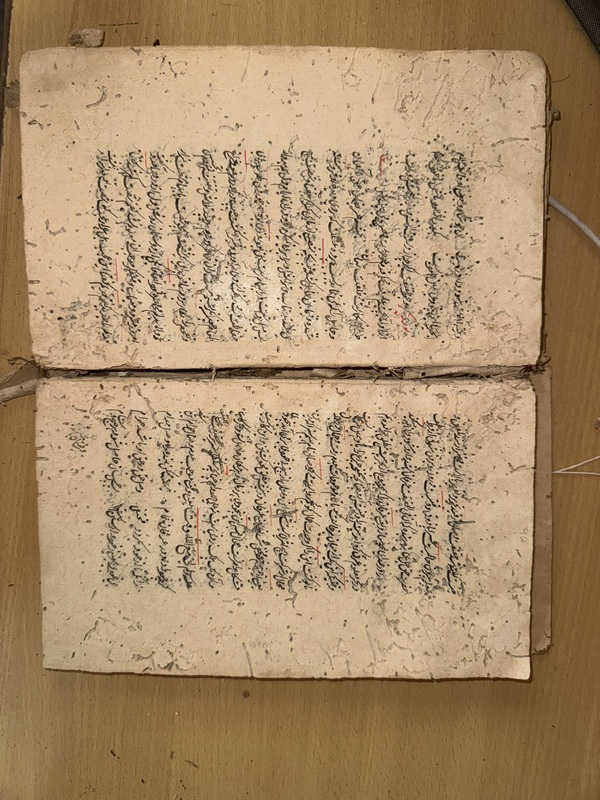
Materials and documents which relate to land survey from precolonial times to now.
Explore CollectionArchival records from erstwhile Travancore Kingdom. Contains various kind of accounts, deeds and orders.
Explore Collection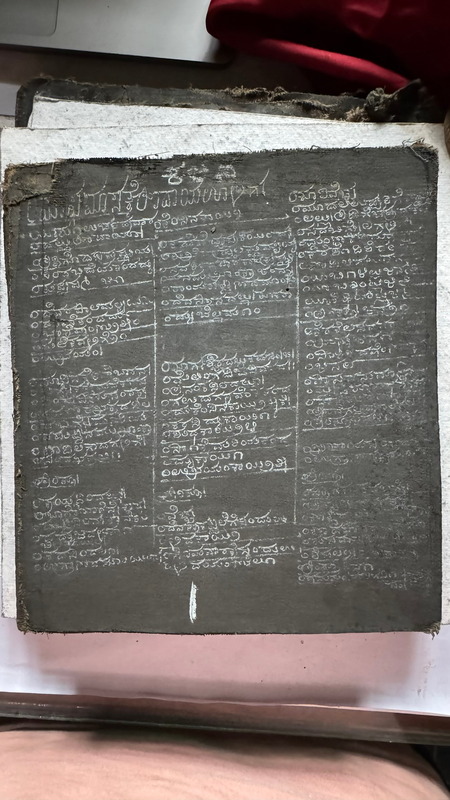

A collection of manuscripts and other materials belonging to Kannada speaking traditions.
Explore Collection
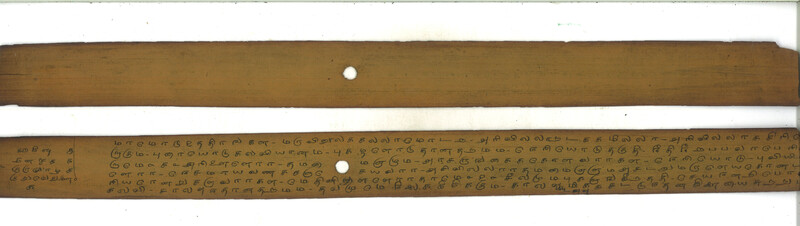
We use Kanakkatikaram to refer to a class of mathematical manuscripts that were in circulation in medieval and colonial Keralam and Tamil Nadu. These manuscripts exist in both Malayalam and Tamil. The oldest known Tamil manuscript dates back to the 15th century. While the Tamil manuscripts attribute authorship to a figure named Kari Nayanar, the Malayalam texts do not mention any author. Both sets of manuscripts deal with mathematical techniques such as the rule of three, systems of measurement and units, and problems that may be described as both practical and recreational. Kanakkatikaram texts typically organize their problems by context, such as nel kanakku (paddy calculations), pon kanakku (gold calculations), and nila kanakku (land calculations), among others. However, not all problems in the Kanakkatikaram corpus are strictly practical. Some address numbers and magnitudes that are unlikely to correspond to real-world experiences. We also include in this collection texts such as those titled Kanakkatikaram and Astanakolakalam.
Explore Collection
Under this collection you will find materials written in languages identifiable with modern Malayalam or obtained from within the geographical boundary of modern Keralam. Physical copies of these materials may be found at various libraries and Museums in Keralam. A list of manuscripts from some of these libraries can be seen here. Granthappura (ഗ്രന്ഥപ്പുര), a digital archive managed by the Indic Digital Archive Foundation, also provides digital copies. It is well documented that the geographical region identified as modern Keralam had a well-developed mathematical tradition, now known as the Kerala school of mathematics and astronomy. This school is thought to have been founded by a certain Mādhava of Sangamagrāma and developed original concepts akin to modern notions of infinite series and infinitesimals, among others. Its mathematical developments mostly focused on astronomical calculations. However, this tradition was likely rather exclusive and did not circulate widely among the general public. One may read more about this tradition in detail in the third part (Madhava and the Invention of Calculus) of the book by P. P. Divakaran titled The Mathematics of India: Concepts, Methods, Connections. In parallel, a more accessible tradition of mathematics existed, closely tied to daily lives in both recreational and functional ways. This is particularly evident in the kanakkatikaram tradition, similar to that in Tamil-speaking regions. Additionally, trade relations between Keralam's coastal towns and various global centers likely fostered computational skills, especially for accounting. Sreejith E., in his thesis "Education in Kerala: Transition from Pre-Colonial to the Colonial Phase," speculates that such mathematical abilities and computational skills were present among the general public of medieval Kerala. In our archive, we seek to curate materials more likely found among the general population. These include prescriptions and methods for calculating metrics and values related to social and public life, such as interest, grain measures, land measures, architecture, carpentry, and so on. How such knowledge traditions related to the rigid jati relations of Keralam society, including practices like untouchability and unapproachability, is something that requires deeper scholarly investigation. Those would like to read more on history Mathematics within Keralam from this perspective may consult Prācīna Gaṇitam Kerāḷathil by C. K. Musad and Sreejith's thesis. Our evolving collection is currently quite limited, but we hope it will grow as more people engage with it. Please write to us if you know of any materials that could enrich our collection.
Explore Collection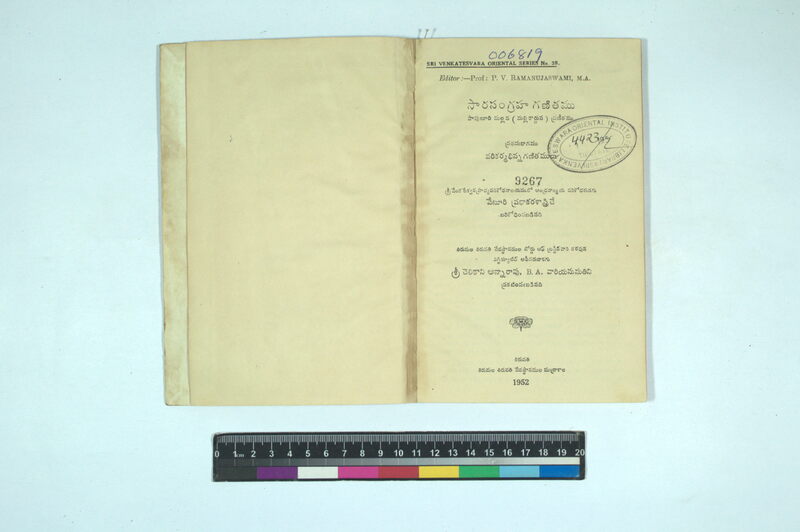
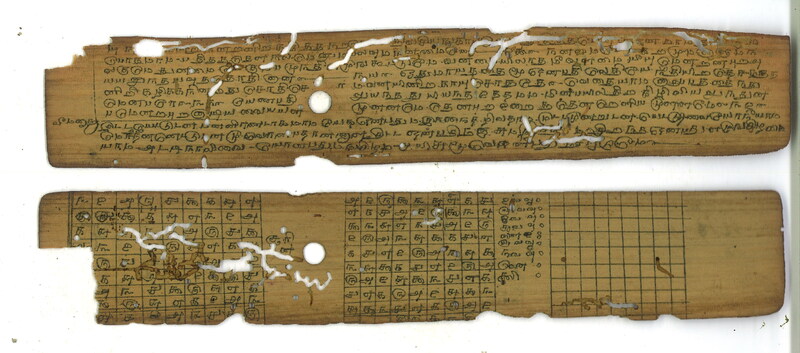
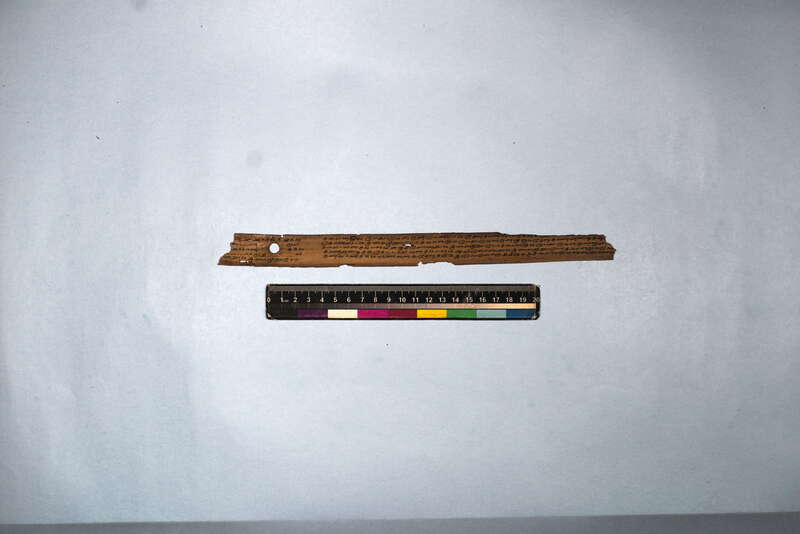
It is reasonable to assume that Telugu also had an oral mathematical tradition based on mnemonics and rhymes. For example, Sarma (1985) documents that problems similar to Josephus Problem appears to have been part of a local culture of riddles posed in verse, with two different versions and solutions found in nearby areas of Andhra Pradesh. A systematic documentation of these traditions has yet not been done. Among Telugu mathematical manuscripts, the most important is Sāra Sangraha Gaṇitamu by Pavaluru Mallana, commonly known as Pavalūri Gaṇitamu. This text is regarded as a Telugu adaptation of Mahāvīrācārya’s Sanskrit work Gaṇitasārasaṅgraha. However, Mallana himself, and later copyists, added their own contributions such as new problems at suitable places, and incorporation of local weights and measures where needed. S. R. Sarma notes that one chapter of Pavalūri Gaṇitamu, dealing with geometrical calculations such as area, changed considerably over time as village accountants (karaṇams) adapted it to their practical needs and to evolving local units of area and length. Besides Pavalūri Gaṇitamu, very few mathematical manuscripts in Telugu are known. A commentary on Līlāvatī is another notable one. Sarma suggests that the popularity of Pavalūri Gaṇitamu may have discouraged the composition of new texts, since interested people preferred to copy and add their own notes to this work rather than write entirely new treatises. For more details, especially on interesting mathematical content in Pavalūri Gaṇitamu, see Sarma (1985). At present, we are not aware of Telugu texts or manuscripts that are not strictly mathematical but still reflect mathematical practices in other applied fields such as śilpaśāstiram, navāiśāstiram(shipbuilding), or mānayādiśāstiram. We would be glad to learn of such texts if they exist. Currently our collection is limited to few copies of Sāra Sangraha Gaṇitamu or texts related to it. In addition to we also have an unidentitied copper plate and palm leaf manuscript which needs to be read by an expert. We welcome interested individuals to help expand our collection and to work systematically on documenting the available Telugu material. Reference Sreeramula Rajeswara Sarma , ‘Mathematical Literature in Telugu: An Overview,’ Sri Venkateswara University Oriental Journal, 28 (1985) 77-90.
Explore Collection
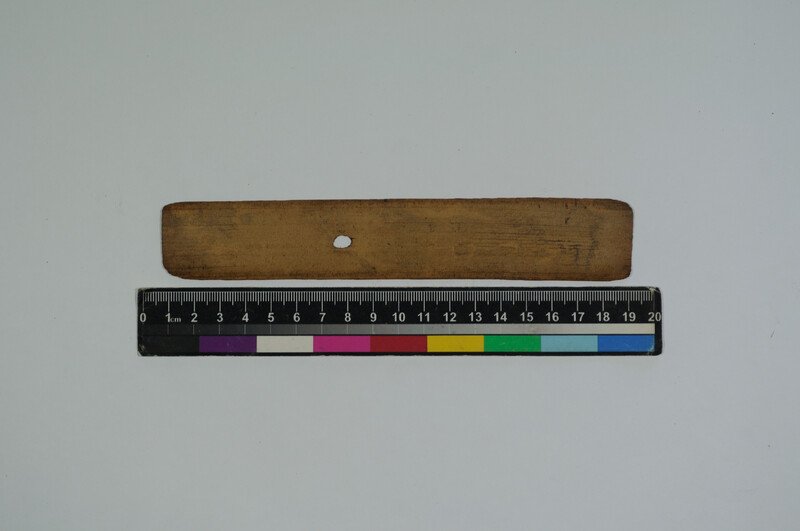
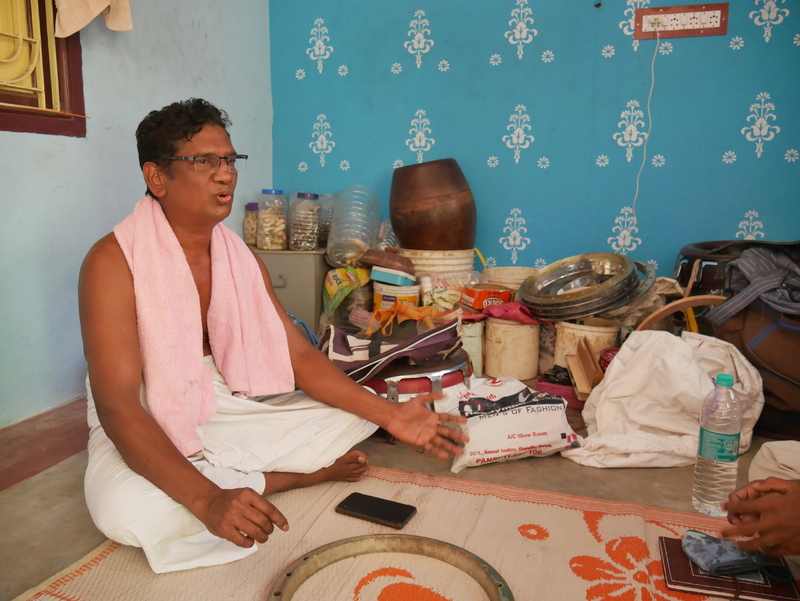
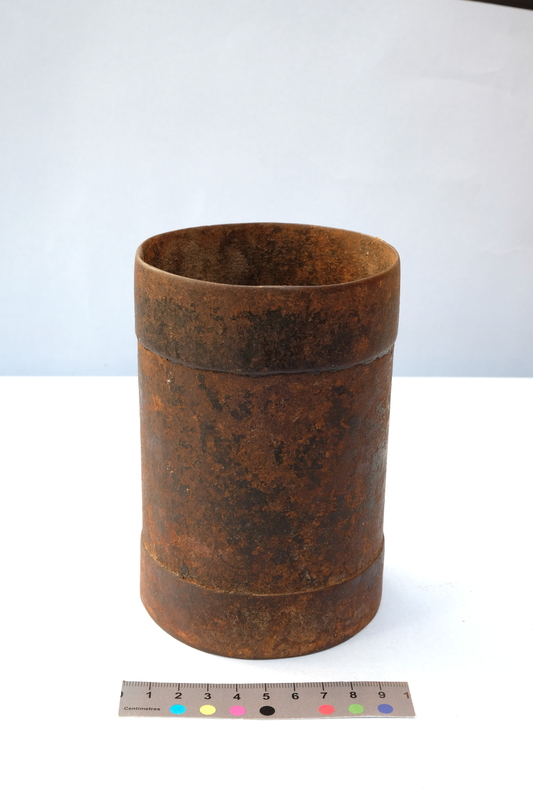
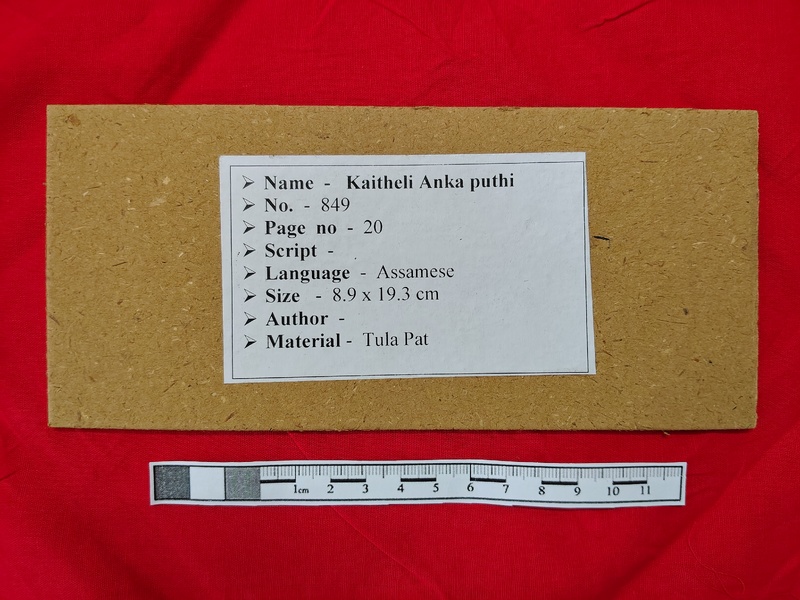
Manuscripts and materials relating to mathematical practices in Assamese.
Explore Collection
During medieval period in Assam, the Kayasthas (the highest class of Shudras whose occupation is penmanship) were engaged in the census works and clerical jobs and thus, a kind of mathematics was developed by them. In the regional language of Kamrupa, the Kayasthas are known as ‘Kaith’ and hence, this type of mathematics took the name as ‘Kaitheli Anka’.
Explore Collection