
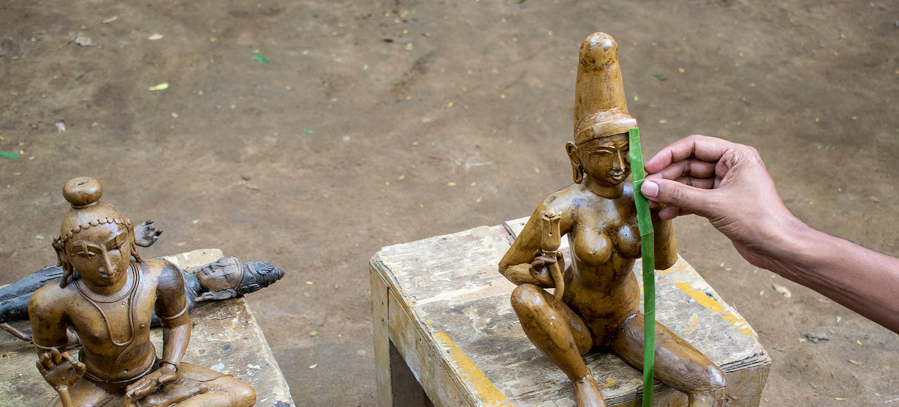
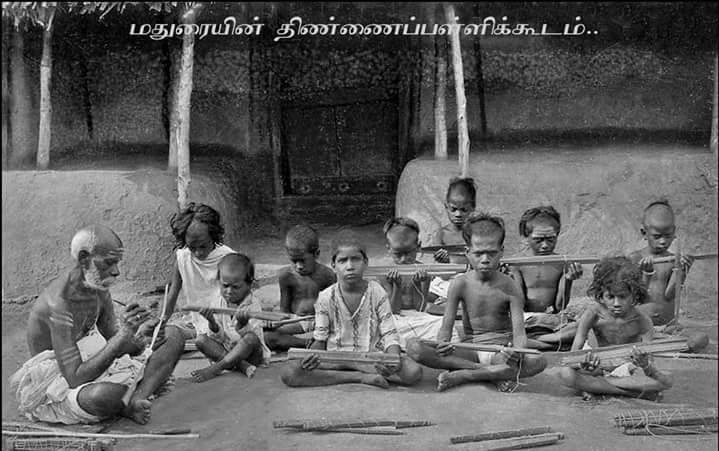
What may we learn if we view mathematics as a set of practices such as estimating, measuring, counting, proportioning, and so on ... and as embedded in practices like sculpting, teaching, accounting, and more? What does this reveal about the role of computational and mathematical practices in shaping our social and political lives?
This archive is for anyone interested in the history of mathematics, measurement, computation, and number use, particularly in relation to social lives. We bring together primary sources and related materials to learn from mathematical and computational practices which were part of learning, work, and daily life, particularly in medieval South India. Instead of looking only at formal texts, we explore the connections between texts, tools, and the people who used them. We hope this archive helps you understand how mathematical practices emerged, were learned, and shaped everyday life. We invite everyone interested to explore the archive and take part in these investigations.
A strong tradition of computational practices is documented in many languages of the Indian subcontinent from precolonial times. These practices were transmitted predominantly through oral means, often by way of rhymes and mnemonics, and were occasionally compiled into textual form. They survive in works such as Kanakkatikaram in Malayalam and Tamil and Subhankari in Bengali, and similarly in other languages. Other occupational practices, including sculpting and architecture, likewise produced texts in various languages. We seek to gather and preserve such materials in, what are now regional, Indian languages.
As indicated, our collection includes texts on practices such as Silpasastiram (on sculpting), texts that discuss mathematical problems and techniques, often in practical contexts, such as Kanakkatikaram, and records produced through the learning of mathematics in tinnai schools, such as Encuvati. It also includes accounts produced by village and merchant accountants, video and audio recordings of conversations with practitioners, documentation of practices, stories about practices, reenactments of measuring, and other activities described in historical records.
We also have a collection of digitised images of measuring instruments from various museums and households. We have tried to document some measuring instruments in their social contexts as well.
The digitised material types include palm-leaf manuscripts, paper manuscripts, video recordings, audio recordings, books, copper plates, ledgers, and academic writings.
We hope this archive helps you move beyond the dichotomy of knowledge and practice, and encourages you to ask critical questions about the relationships among knowledge, practice, learning, and society. We also intend this archive to serve as a guide for researchers seeking to locate primary sources and their holding repositories.