
Practice of Astral Sciences 🌞
Determining the positions of celestial bodies is one of the oldest computational practices. Across South Asia, precise astronomical calculation was valued not only for navigation and maintaining the calendar, but also for divination and for determining auspicious times. For these reasons, it is difficult to draw sharp distinctions between the history of astronomical and astrological practices in South Asia.
This section brings together the texts on astral sciences available in our collection. These traditions use numbers, positional values, and geometric models to represent the movements of planets and stars. They offer ways to construct calendars, plan agricultural activities, predict eclipses, and perform related computations. At the same time, they connect the heavens with human life, proposing that the positions of celestial bodies at particular times can influence events, actions, and fortunes. In this way, astral sciences propose a structured language for expressing the relationship between the sky and people.
Some of the texts in our collection focus on specific kinds of prediction and regulation of daily life, such as numerology, vāstu, and pañcāṅgam. These deal, respectively, with the naming of people, the alignment of buildings and spaces with cosmic order, and the calculation of auspicious times, dates, and events. Concurrently, instruments such as the astrolabe were also in circulation. Many of these texts and instruments entered daily life through prescriptions, predictions, and navigational charts.
The role these texts and practices played in shaping social relations, particularly in a caste society, calls for closer examination. Similarly, the ways in which caste relations shaped these practices, determined the course of knowledge pursuits, and guided the questions of interest to practitioners also need investigation. Bringing together texts, practices, and practitioners to move these traditions beyond scholarly confines and into wider public engagement is one way to approach these issues. In the future, we plan to develop research questions along these lines. Those who are interested in pursuing related questions or would like to contribute to the collection are welcome to reach out.
-
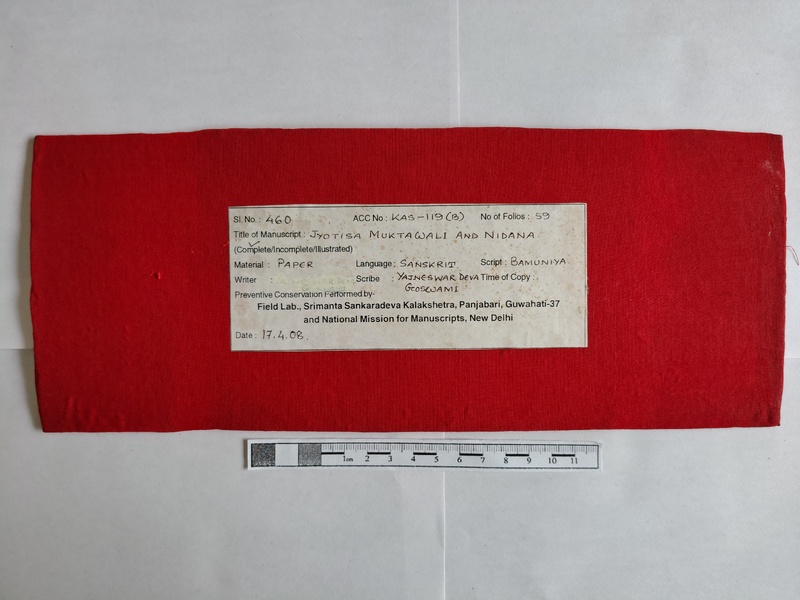 Jyotisha Muktavali and NidanaThe manuscript consists of three different parts. The first part is named as Tithi Vyavasthā, the second part is named as Jyotiṣ Muktāvalī and the third name of the third part is not directly mentioned. Tithi Vyavastha is apparently in Bengali language, deals with the auspicious tithis (lunar days) for performance of different rites and rituals. Jyotiṣ Muktāvalī is a primar ub astrology. The treatise deals with the manner of determining auspicious days, the influence of the stars, and also the methods of preparing a horoscope. The third part discusses some dos and don'ts during lunar days.Sep 04, 2026
 -
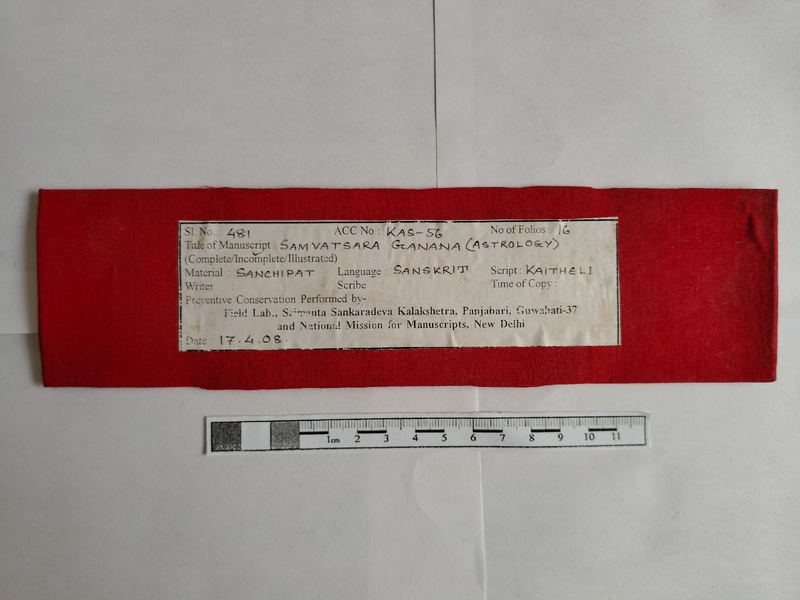 Samvatsara GananaThe treatise deals with the method of calculation for finding out in advance the events to take place in a particular year. The work divides teh Kaliyuga into three cycles, called Brahma-Viṁśati, Viṣnu-Viṁśati and Rudra-Viṁśati, each consisting of twenty epochs. The calculation is related to forecasting the coming events of every year of each of the epochs.Sep 04, 2026
 -
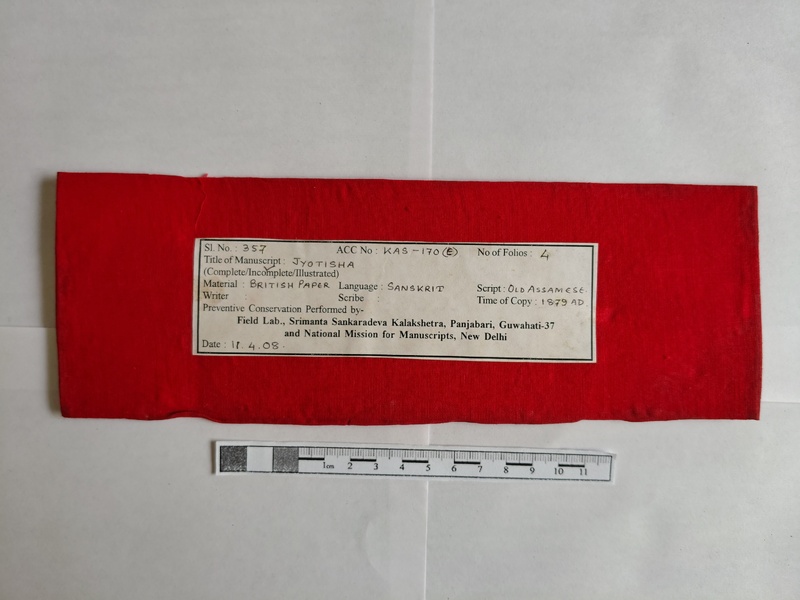 JyotishaThe manuscript is based on horoscope calculation with distinctive figures.Sep 04, 2026
 -
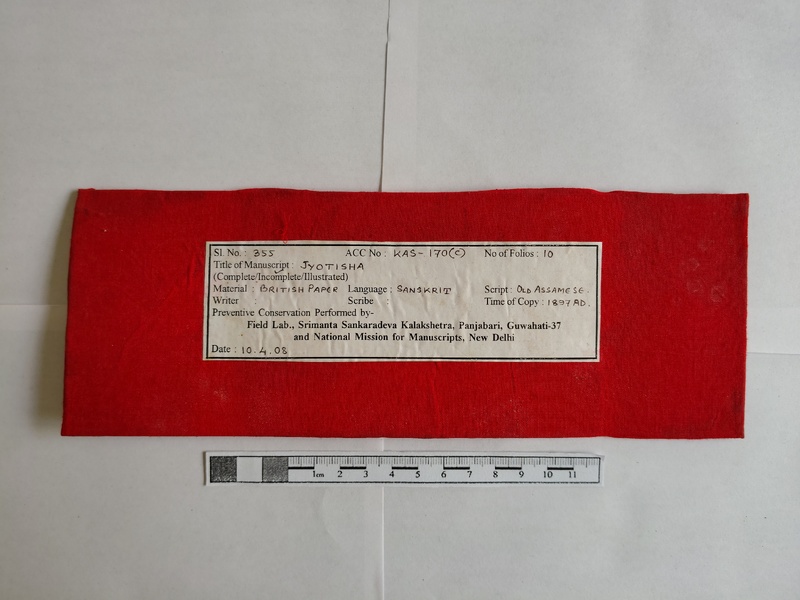 JyotishaThe manuscript is based on astrological calculations.Sep 04, 2026
 -
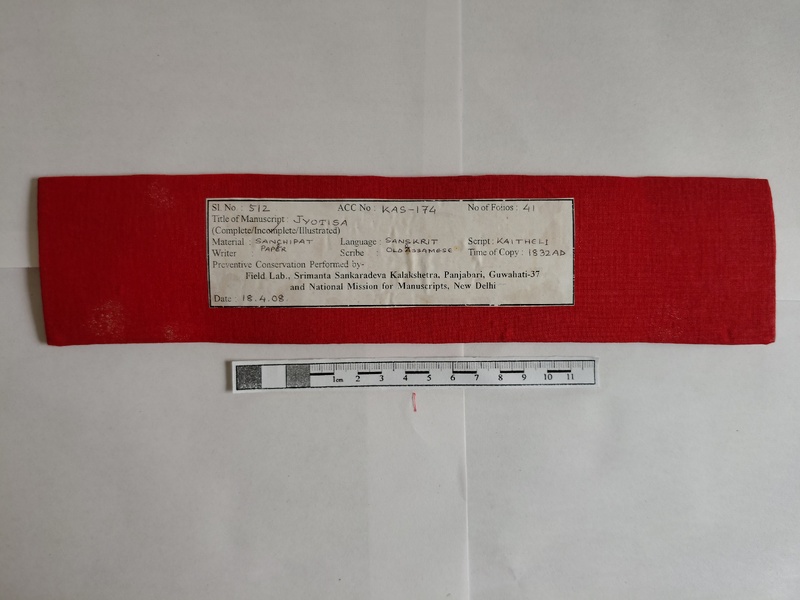 JyotisaThe manuscript shows astrological calculations.Sep 02, 2026
 -
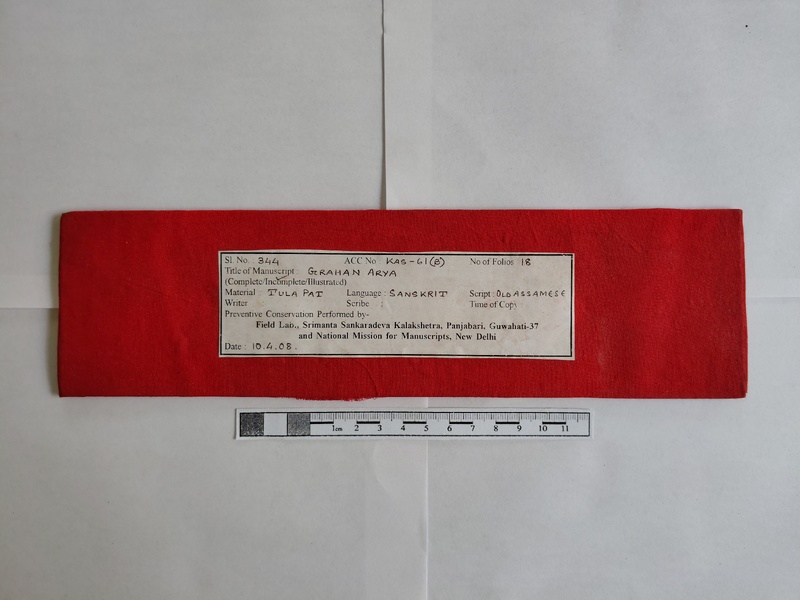 Grahan ArjyaGrahaṇ Āryyā is an astronomical work. The treatise deals with the method of determining the timings of the solar and lunar eclipses and their effects.Sep 01, 2026