Practice of Sculpting 🗿
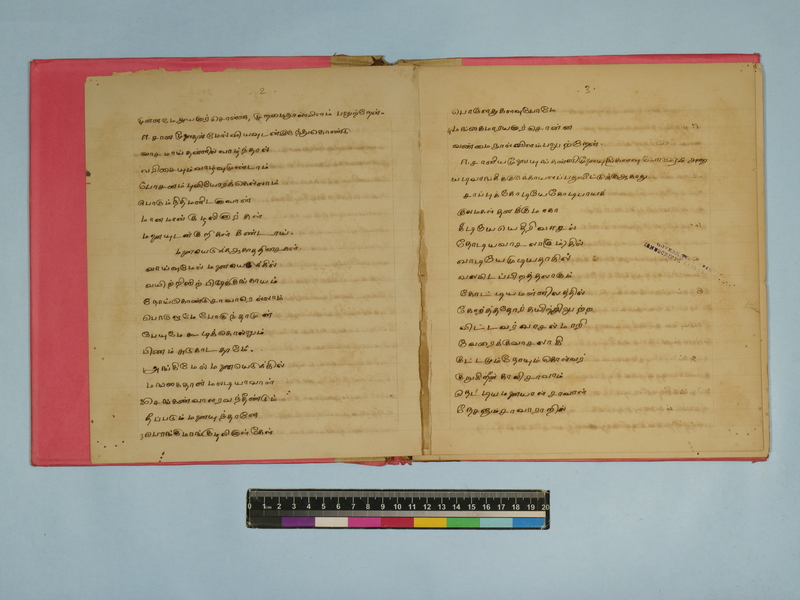
Sculpting is a craft built through the combination of many skills, including carpentry, drawing, modelling, smelting, moulding, casting, and finishing. While texts on sculpting describe ratios, scales, and measurements that help guide aesthetic form, the making of sculptures for temples and related settings depends heavily on the artisan’s experience and judgement. While people have studied the practice of sculptors and texts like silpasastiram in detail, the relationship between texts and actual practice of sculptor remains an important area for further study.
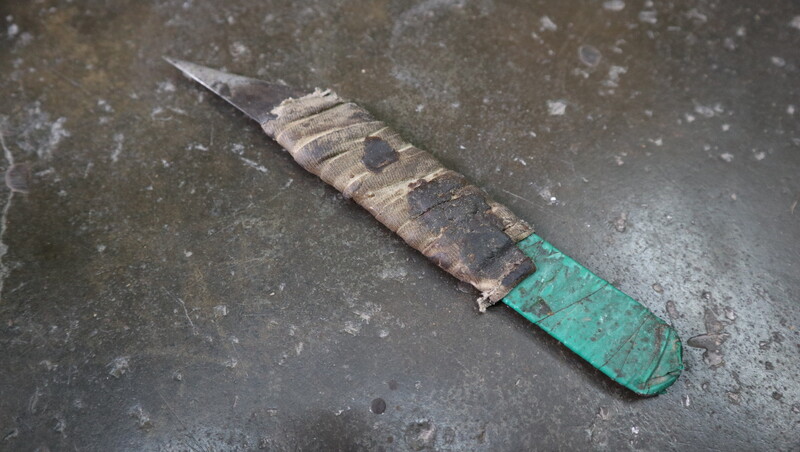
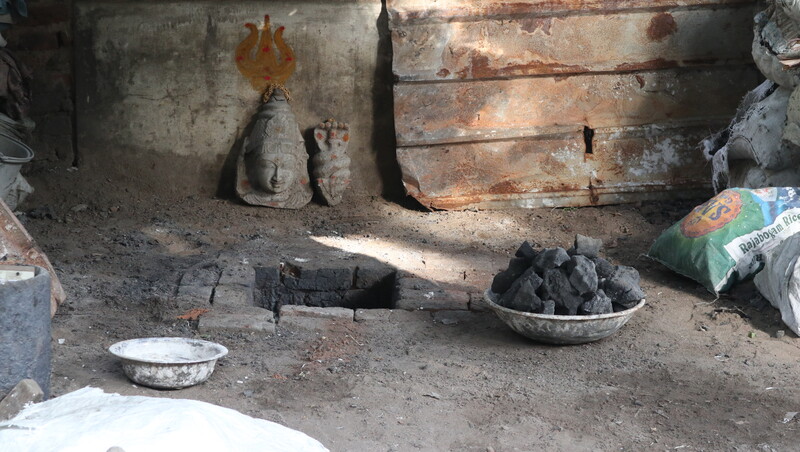
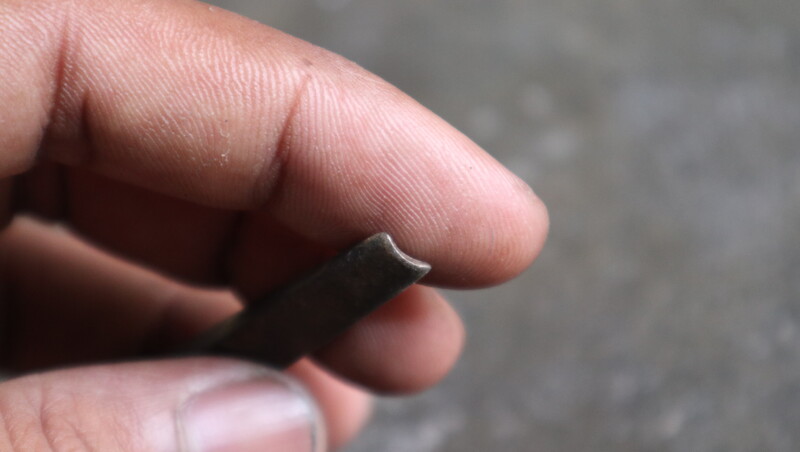
Under our sculpture collection, we have brought together both texts on sculpting and documentation of practice, including conversations with practitioners. We have also conducted workshops with bronze sculptors in Swamimalai, whose practice of measures and proportions seemed deeply embodied. Some of these experiences will soon be added to the Storyscape and Research sections.
We welcome contributions of materials, as well as reflections on sculpting as a practice and its relationship to social relations such as caste and the present-day political economy.