Music Instrument Making 🪘
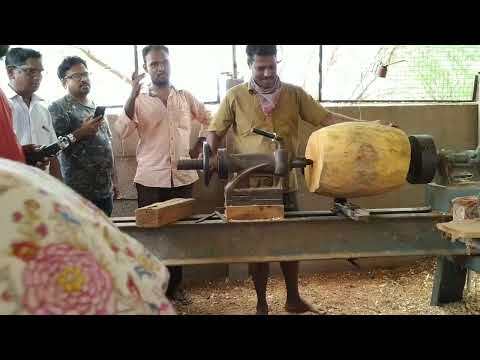
Musical instruments have long played a role in bringing people together. Beyond producing music, early instruments have also served as tools of communication, carrying sounds as messages across landscapes and communities. Before an instrument reaches the hands of a musician, its making brings together different forms of knowledge, skills, and interactions between practitioners and communities.
Here we explore musical instrument making as an artisanal and social practice, focusing on the practitioners involved in making, playing, maintaining, and repairing instruments.
The makers and players of an instrument are also connected through the practice of repair. During repair, the maker and musician engage in dialogue about the instrument and the changes required to produce the sound expected by the musician. Repair here becomes a space where the knowledge and experience of makers and musicians come together.
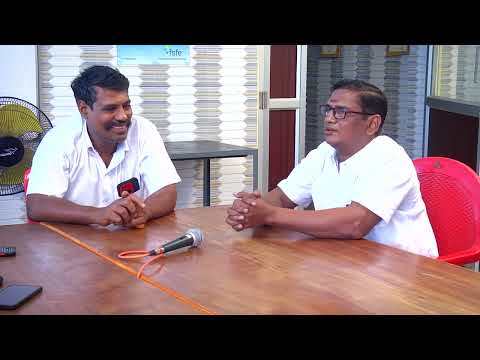
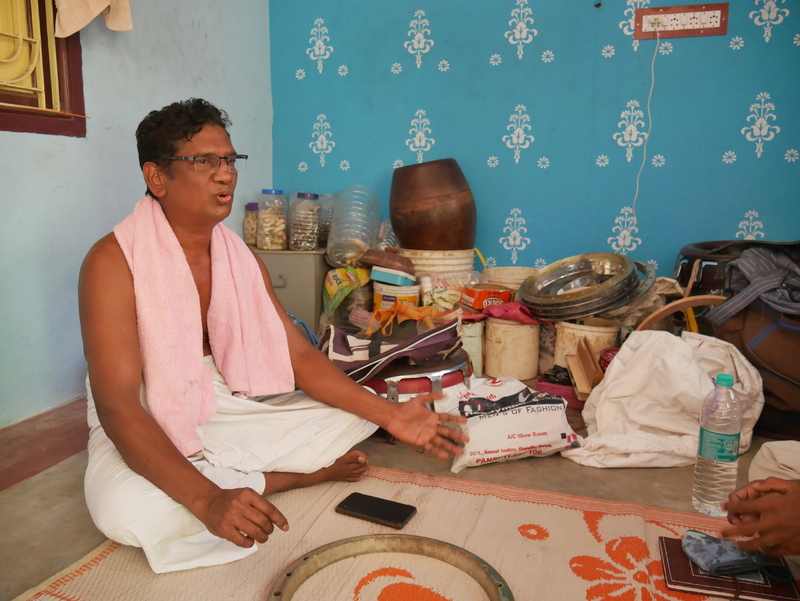
The experiences of practitioners also draw attention to the wider social relations within which instruments are made and played, like the social contexts that shape and determine participation in these practices, as well as access to particular skills and occupations. Through conversations, fieldwork, and documentation of practitioners and their practices, we hope to understand how these relationships have changed over time and how the knowledge and skills involved in making, playing, maintaining, and repairing musical instruments are sustained.
Our collection currently documents the making and playing of the thavil, primarily through conversations with instrument makers and musicians in the Panruti region. In the future, we aim to expand the collection to include relevant texts and documentation on other instruments. We welcome all relevant contributions.