
Measuring Instruments
We have digitised some of the measuring instruments kept in museums across South India. We hope that interested individuals will contextualise these instruments and tell complex stories by exploring the social history of measurement. While one may engage with measuring instruments critically, as delineated above, it may not be possible to do so for every instrument. There may be a lack of sources to learn from, or certain instruments may resist interpretation, harder to trace or have long histories.
However, there are some questions that we feel can potentially be asked of any instrument. Hopefully, these can aid inquiries aimed at understanding the context and past of these measuring devices. These questions are only suggestive, one may, of course, ask different ones as well.
- What was this instrument used for? What exactly did it measure?
- In what unit or system did it measure?
- Is it possible to know what was used before this instrument came into use?
- Why was this particular instrument introduced?
- Who intoduced the instrument?
- How did people react to the instrument when it was newly introduced? Did they accept it? Did they context it? How and Why?
- What is being used today to measure the same thing?
- Do you think someone you know, or their ancestors, might have used this or a similar instrument? What do they have to share?
- Where was it primarily used?
- Who was using it, were they artisans, labourers, professionals like surveyors, traders, scientists, or others?
- Where was it made, and by whom?
- How was it calibrated, and what standard was used for calibration?
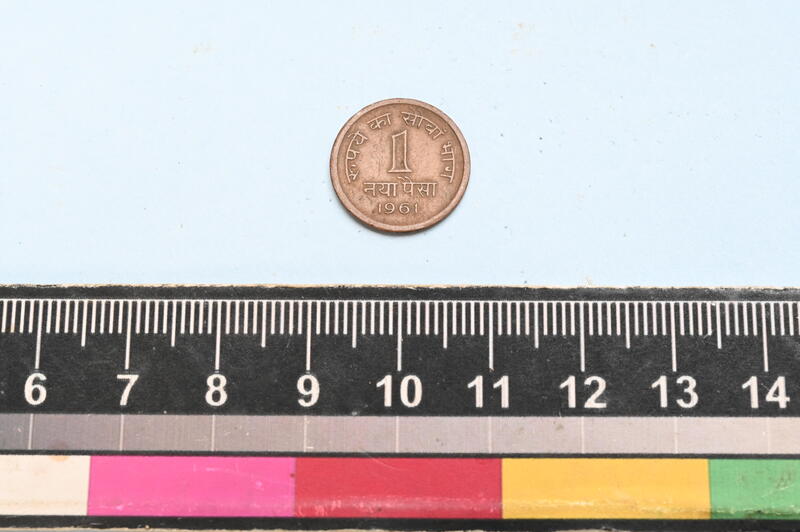
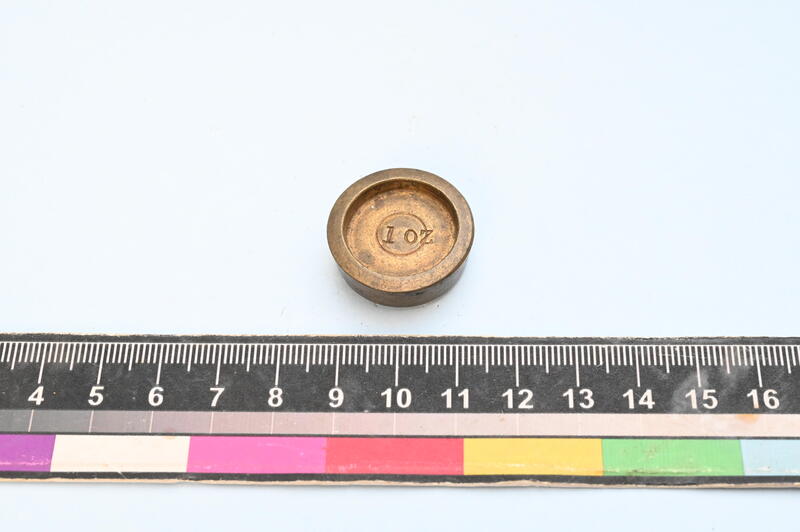
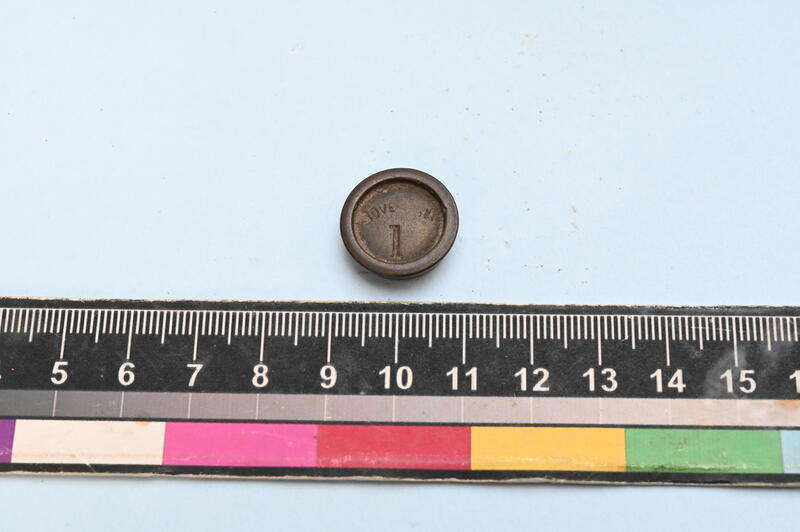
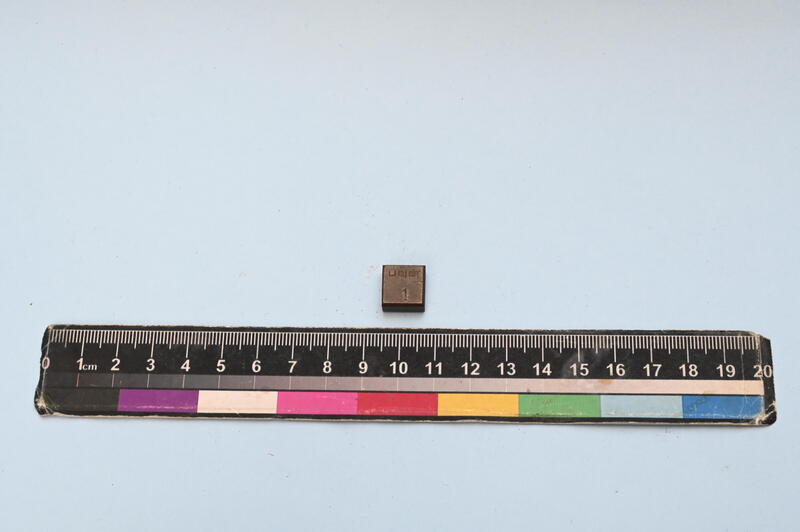
Going further, one may ask more involved questions, ones that go beyond understanding just the instrument itself, and instead explore it in relation to society.
-
What negotiations, of class, caste, gender, or community, shaped this instrument's design, calibration, and enforcement, and whose knowledge or labour was appropriated in the process? Like how Veṭṭiyāṉ could have been the one to physically measure land using foot-pole in medieval Tamil Nadu but was denied access to the formal training in methods of computation using Eṇcuvaṭi [1].
The Kaṇakkaṉ and the Veṭṭiyāṉ worked in tandem, and both probably required each other’s experience and skills, but the computing and authorizing of the results of that computation resided squarely with the Kaṇakkaṉ [1]
- Who controlled its use (e.g., state officials, merchants, priests, or labourers)? How was it used? Did it serve as arbiter in some disputes or negotiations? If yes, in what kinds of disputes or negotiations (over wages, land, tribute, or trade) did it serve as arbiter, and how?
- How did this instrument's affordances (material form, scale, precision) filter, erase, or abstract away embodied realities like seasonal labour rhythms, ecological variability, or social inequalities in the act of quantification?
- What does its evolution (or obsolescence) reveal about shifts in power relations, such as colonial impositions, establishment of new Sovereigns, market expansions, anti caste assertions, or technological disruptions?
- How did it legitimise justice or perpetuate injustice, and how did its numbers travel into larger systems of governance? Who were the ones to benefit and who were disadvantaged?
However, these questions may feel inadequate when trying to understand instruments that are mass-produced in factory settings, following standard protocols and using machinery. How do standards, as defined by conventions such as the Metre Convention, translate into concrete instruments? What consequences do these translations have? How do such standards become embedded in the instruments themselves? and so on could be some suggested questions in that regard. We hope our collections and stories will inspire interested persons to ask more pointed questions of measuring instruments, helping them understand the hows, whys, and whats of the roles measuring instruments have played in the past and continue to play in our lives.